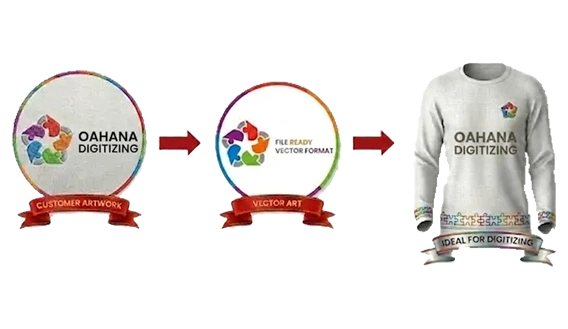
Vector conversion is used to convert normal raster images such as JPEG, PNG, and BMP into accurate and resolution-independent images. Unlike raster images, which are composed of pixels and may appear blurry or pixelated when enlarged, vector images are composed of mathematical paths and shapes. This allows them to be enlarged to any dimension—small or large—without losing clarity and definition. Intricate images also appear clear and professional, making them suitable for printing and other high-resolution displays.
In this type we convert simple signs or icons etc into Vector
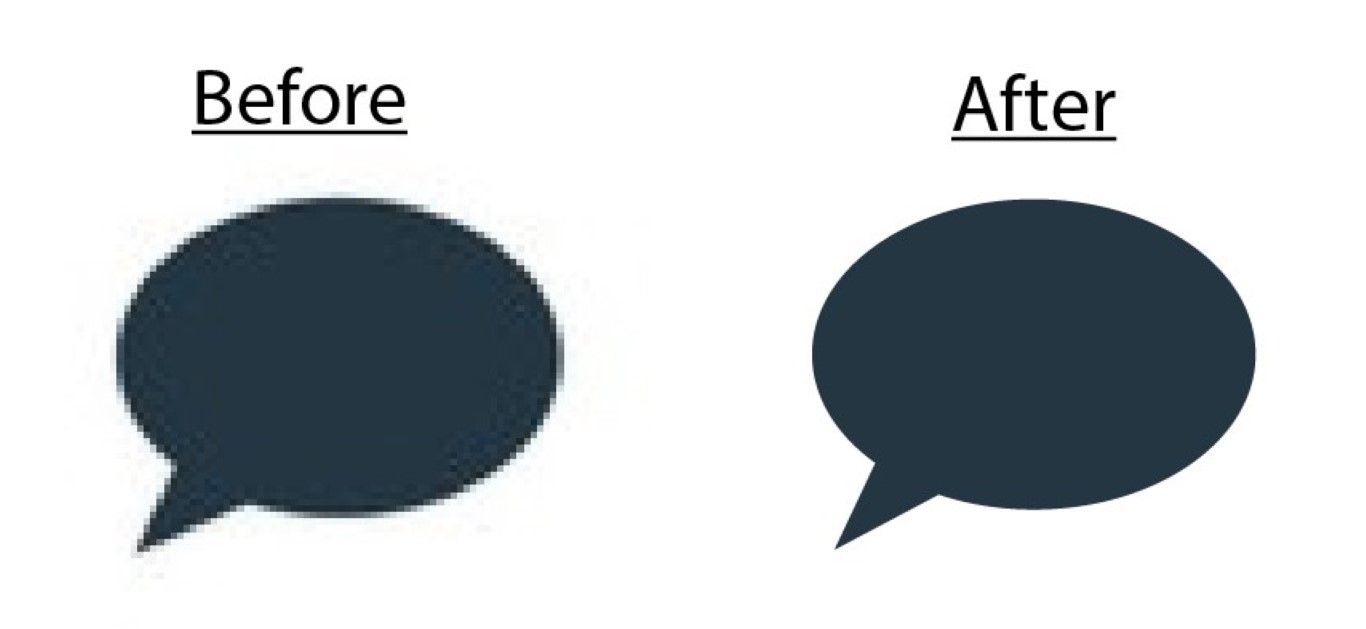
In this type we convert simple signs or icons etc into Vector
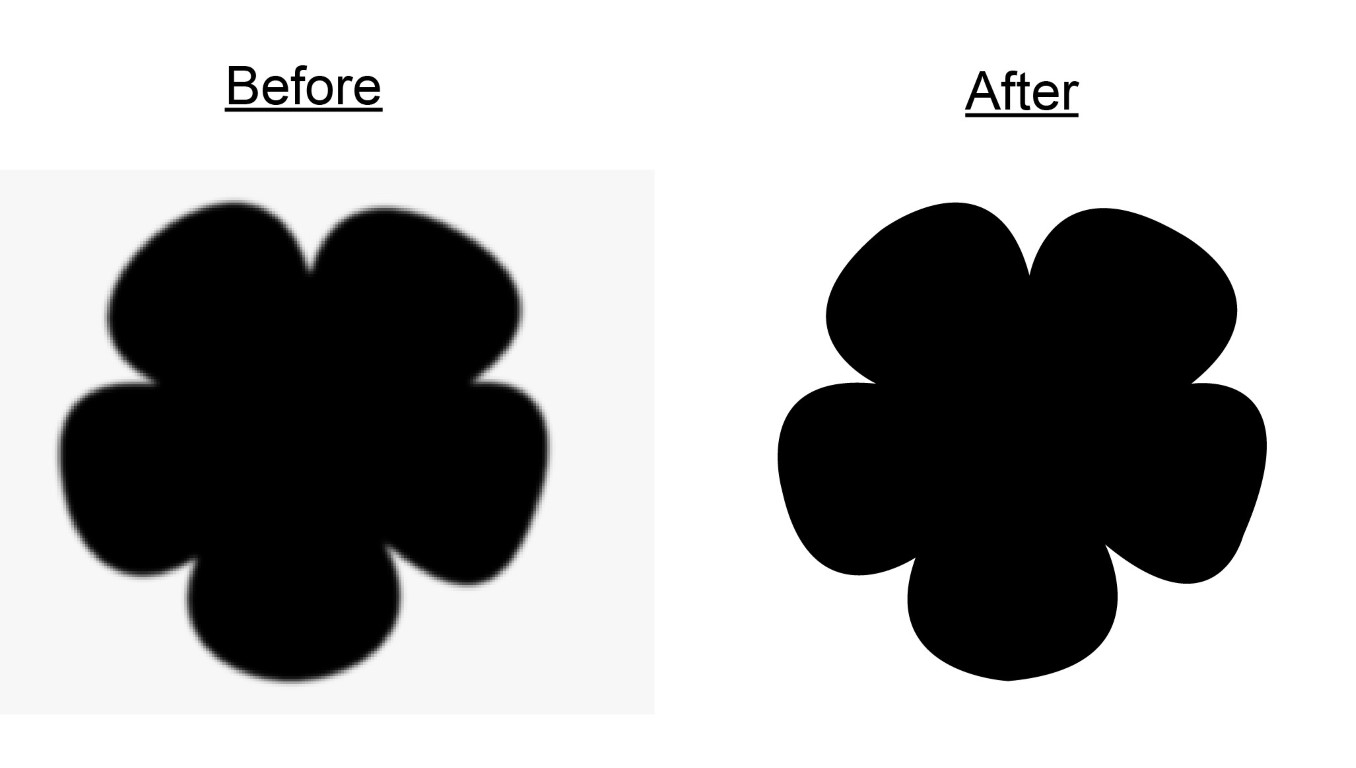
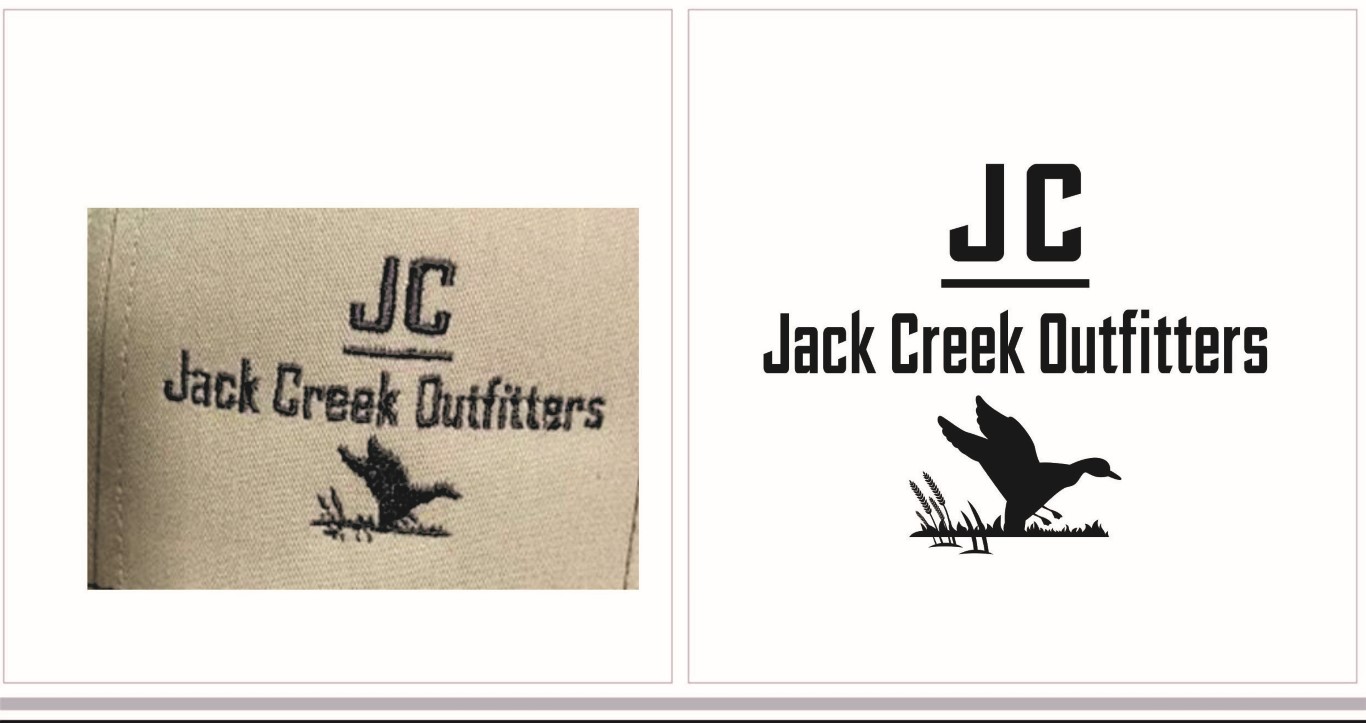
In this type where we convert Everyday logos into Vector Art.
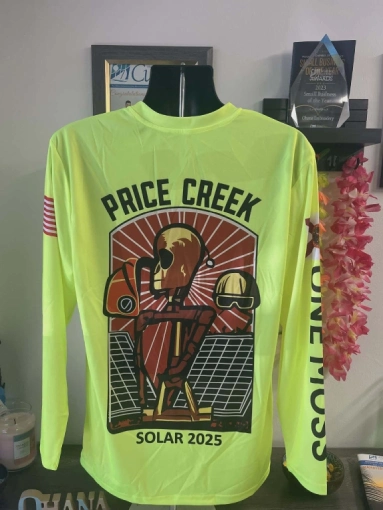
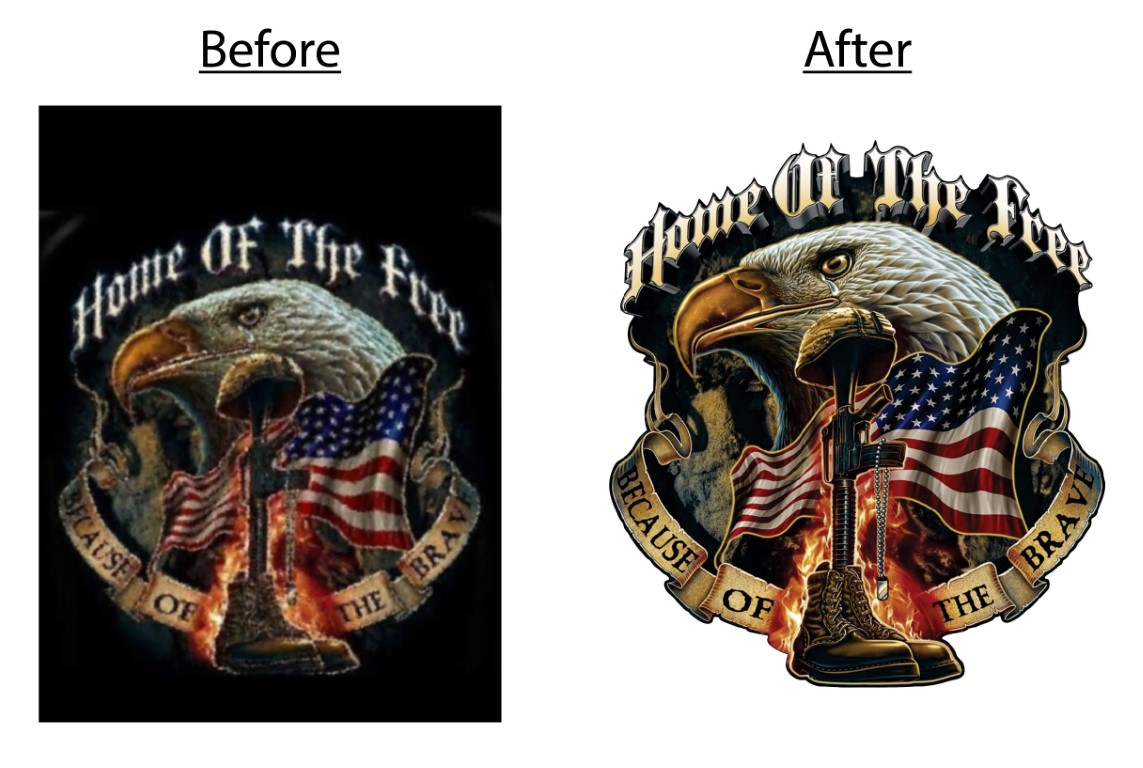
In this Type We Convert Artworks/T shirt Designs into Vector Art
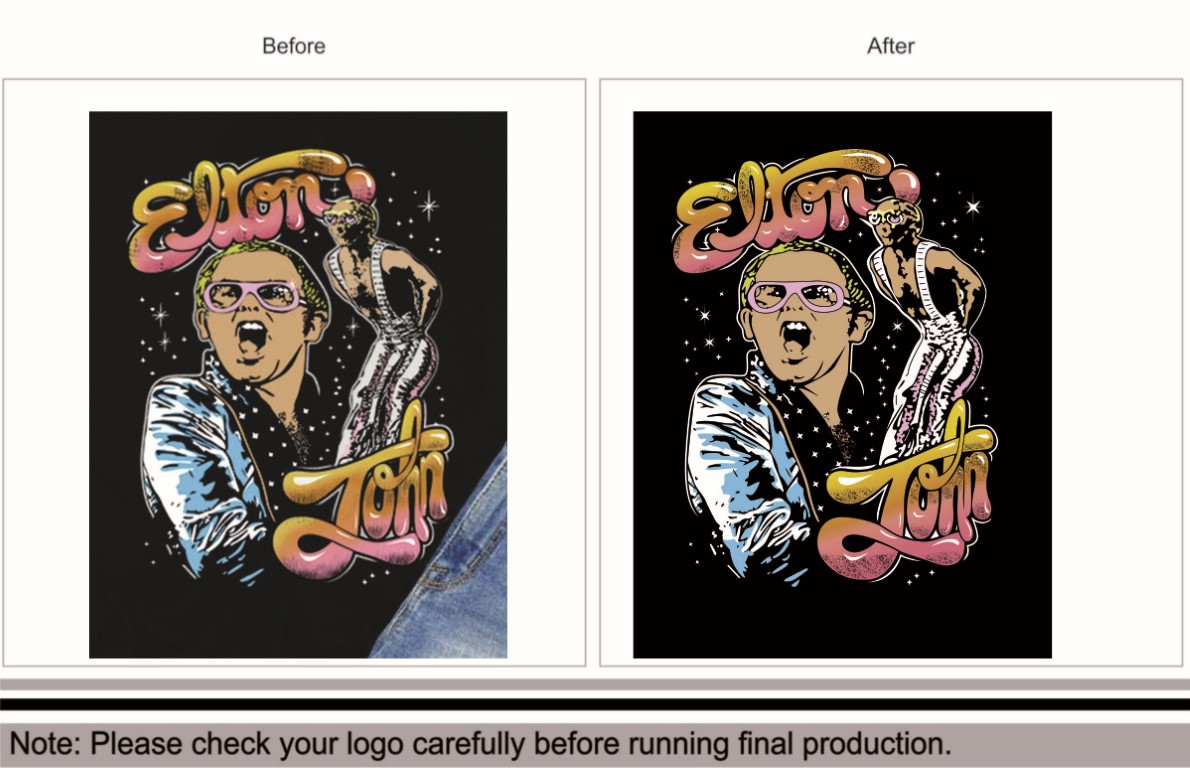
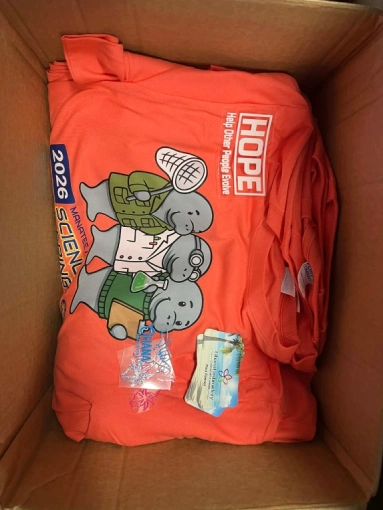
In this type we don't Fully Vector Artworks some part of it is vectored and someone and in some cases nothing is vectored what we do is Create a Transparent No Background PNG file and print it this is usually use for Direct to Garment DTG and Sublimation it can also be used for Screen Printing though it would needs a PSD Separation Also by all means this doesn’t this method is usually used to save up on cost if one wants to Vector the whole Artwork that can be done too.
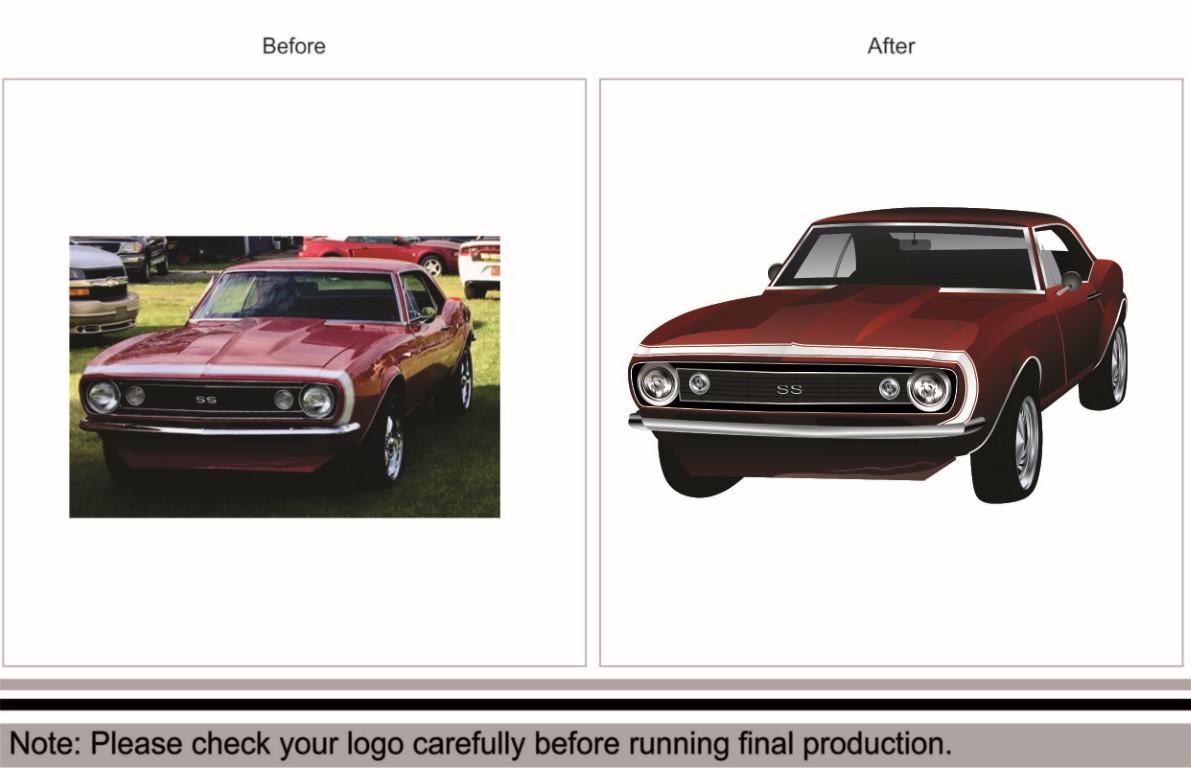
In this category we convert Cars, Bikes, Train, Tuck, Houses Literally anything you capture from your camera into a Vector Art
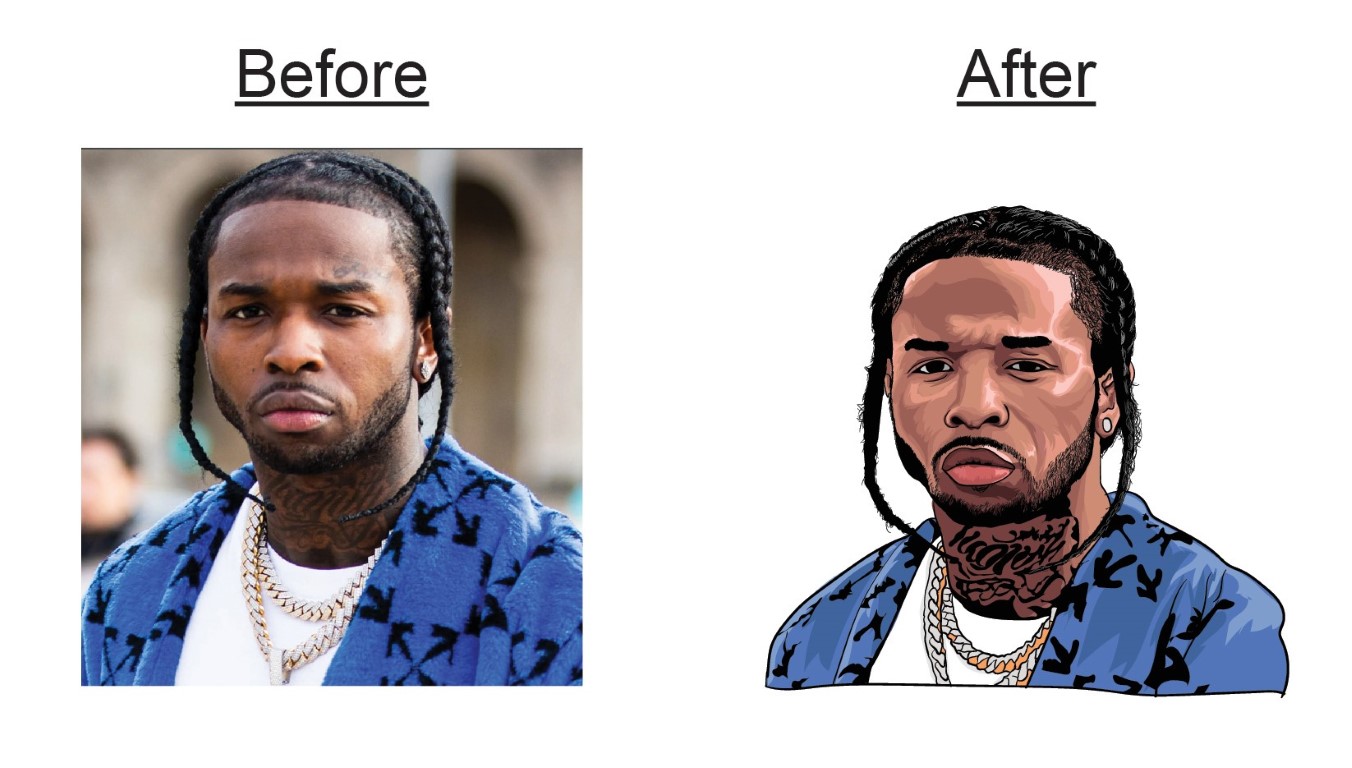
In this Category we convert you Human or Pets ar any Living thing or anything into a Vector Art the details used in the Vector though is subjected som/website Images have Super high details liek the one showed below and some can have a very little details.
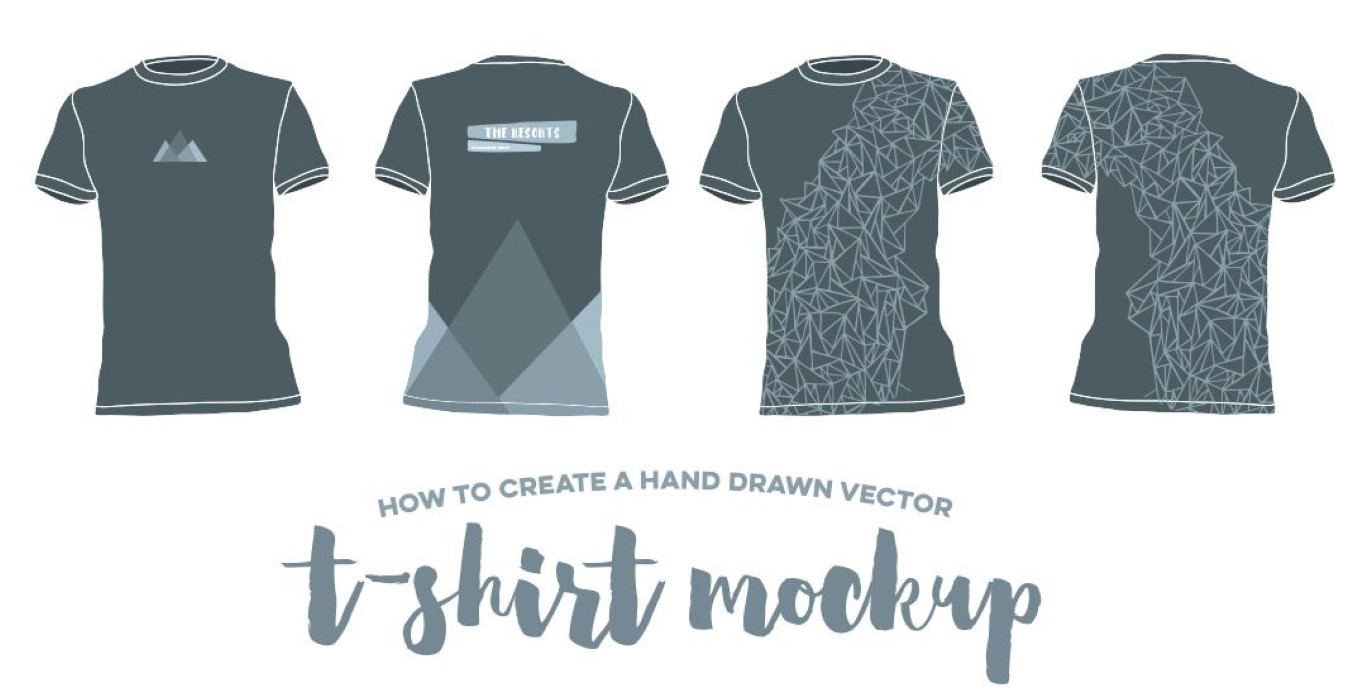
In this Category we Create Custom Order Temlate for you where we will palce your logo on it and customiz it accoridng to you then we put your customers designs onto digital apparel on your desired location you can use it to send digital mockups to your customers to give them more clarity about there order and getting approval becomes easier
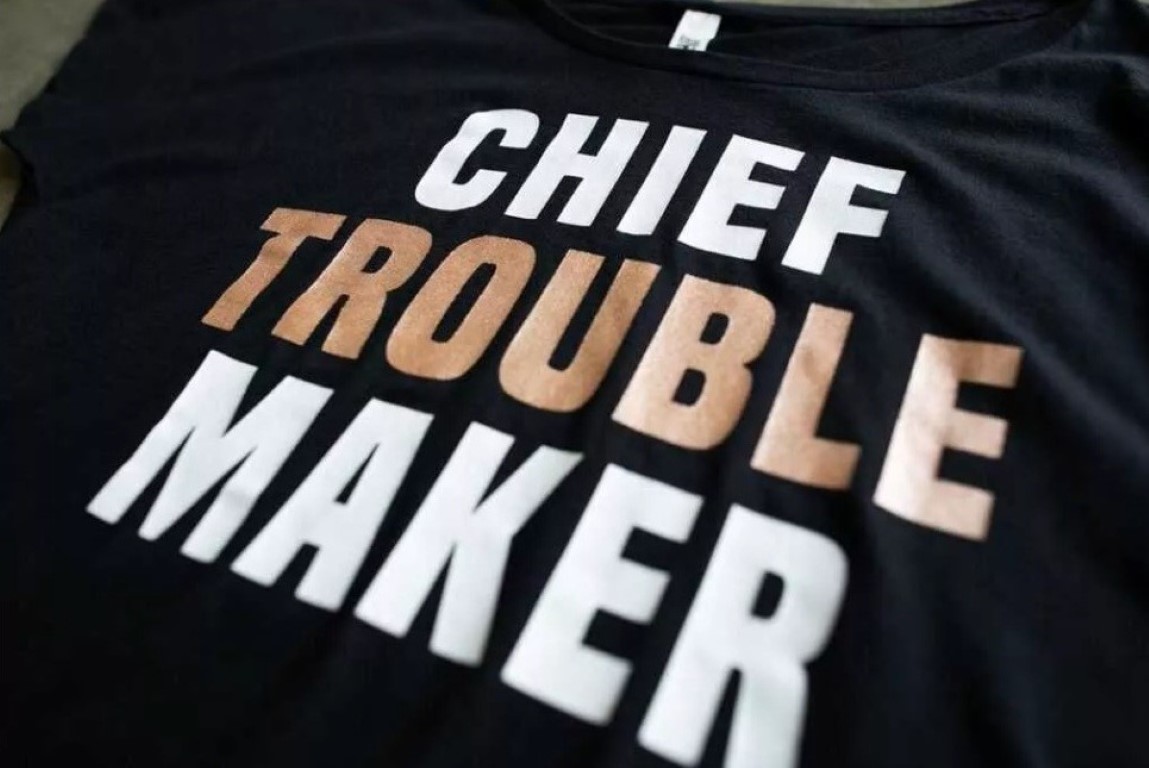
Spot Color Separation is one of the most widely used methods in screen printing. It involves using individual ink colors, often Pantone inks or custom mixed inks, to create images with hard edges and precise color accuracy. This technique is best suited for logos, text, vector graphics, and artwork with distinct color spaces.
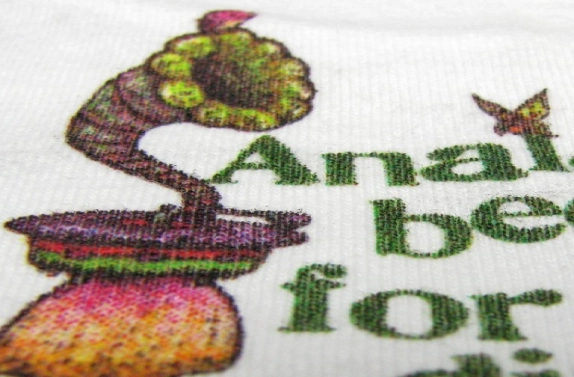
"CMYK Color Separation" is a traditional method of Screen Printing used to print full-color images using four different inks: Cyan, Magenta, Yellow, and Black. It is used to print photographs or detailed artwork on white or light-colored fabrics.
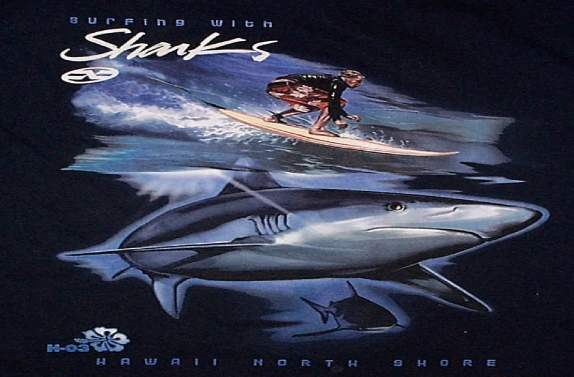
Simulated Process is a sophisticated method of screen printing, whereby complex images with multiple colors are created by mixing spot colors and halftones. This method enables the screen printer to print vibrant images on any color garment.
There are multiple types of printing and engraving while creating the designs when creating Designs we must know that for what kind of medium we're creating for so we can create them accordingly below are printing methods commonly used
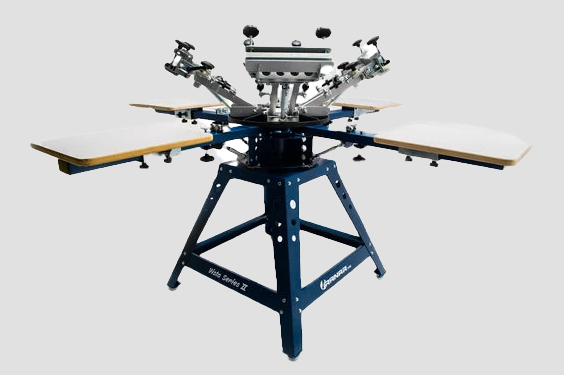
Screen printing is a method of printing in which ink is pressed through a screen with a stencil to create a design on a surface. This is a very common method of printing in a wide range of industries, so even though you may not know what screen printing is, you have probably worn something that has been screen printed. This method of printing is also known by other names, such as serigraphy and silk screen printing.
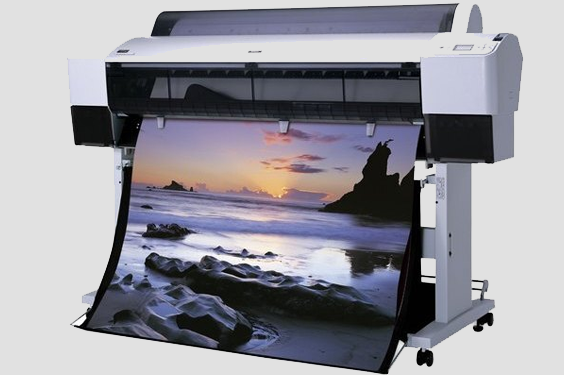
Digital printing is a technique where designs are printed directly from a digital file. For example, if it is in PDF format or any image, it can be sent directly to the printer without having to create printing plates. This makes it much faster compared to traditional offset printing. Digital printing is used for printing small to medium quantities of materials where designs created through digital software and desktop publishing are printed using high-quality inkjet and large format printing devices.
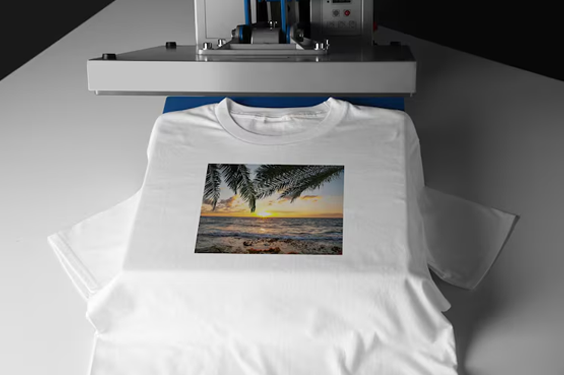
A heat press, on the other hand, is a press used to transfer an image or design onto any surface for a specific period of time with the use of heat and pressure. This press, for instance, can be used to add graphics to various materials such as T-shirts, hoodies, and many more. But with the use of different presses, the same process can be used to add custom designs to items such as mugs, plates, caps, bags, and jigsaw puzzles, among others.
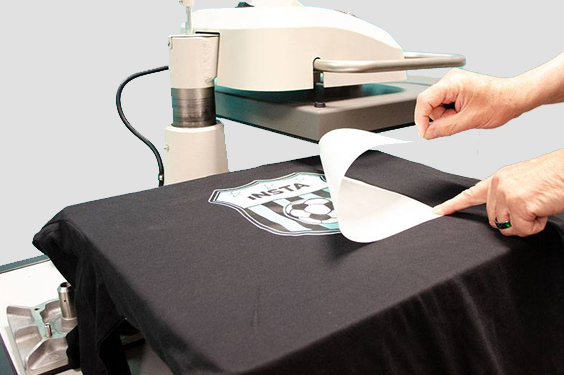
Heat Transfer Vinyl or HTV is a specific type of vinyl material that is used to create personalized designs on fabrics or other materials. It is usually provided in rolls or sheets with a backing layer. The design is cut out using a vinyl cutter. Then, the leftover material is removed from the design through a process known as weeding. Finally, the design is applied to the fabric or material using heat.
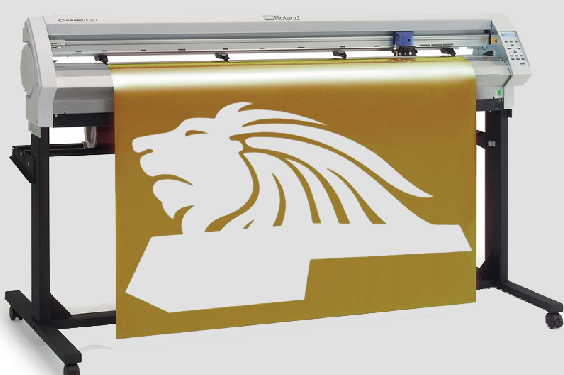
Vinyl cutters are devices used for creating design layouts for signs, banners, and other custom images. They cut out the design on vinyl rolls, which are then used for different applications such as on cars, windows, and clothing. In addition to vinyl, these cutters can also be used for cutting special papers and thin magnetic sheets. In clothing decoration, the design is cut out backwards and then ironed on using a heat press.
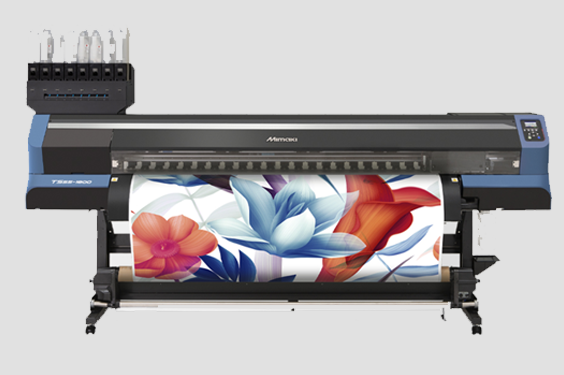
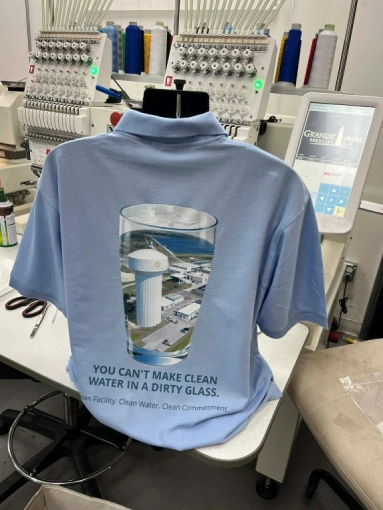
A dye sublimation printer is a printer that utilizes heat to transfer dyes to materials or objects. In this process, the special ink is subjected to heat, and then the ink is infused into the object, creating a permanent and bright print. Although it is referred to as sublimation, the process actually involves the dye going through its liquid state before it binds to the object. This process is mostly employed for personalization of objects such as clothes, mugs, plates, and other objects.
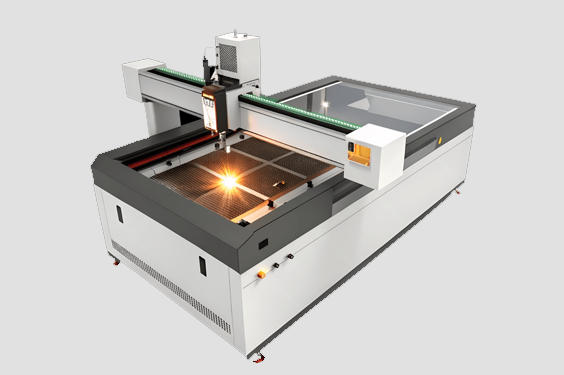
Laser engraving is a technique in which designs, text, and patterns are engraved using a laser beam. Laser marking techniques involve color change, charring, foaming, melting, and ablation to leave lasting impressions on materials. The major advantage of this marking technique is that it does not require ink and touch tools, which are necessary in traditional marking techniques. This technique is applicable to materials such as wood, metal, acrylic, glass, leather, stones, marble, and granite.
We use the industry’s most trusted professional embroidery software, including Wilcom, Pulse, Melco, and more. We strictly avoid software piracy and maintain full compliance with licensing.
A: You can upload any type of image file, such as JPEG, PNG, BMP, and even a clear photograph of the design. However, the image must be straight and in good quality. The image must not be slanted, blurry, and distorted, as it may require extra work to recreate the image accordingly.
A: Most of the major vector file formats are supported based on your requirements. These formats will usually include AI, EPS, PDF, SVG, and CDR. You will also receive a high-resolution transparent PNG image and a JPEG preview of your artwork.
A: Most orders can be completed the same day or within 24 hours, depending on the level of detail in the design. In the case of very detailed artwork, it can take us up to 2 or 3 days. If you have a rush order, we can complete it within a few hours.
A: Yes, we can work from the image. However, because of perspective distortion, the final image or proportions may need to be adjusted. It will help if the image is as straight as possible.
A: Our standard turnaround time is the same day or next business day. Complex designs might require longer turnaround time. We provide custom and priority turnaround time based on your project requirements.
A: Our standard vector conversion price starts at around $15 USD, depending on the complexity of your design. For more detailed pricing and packages, please refer to our pricing page.
Pricing